
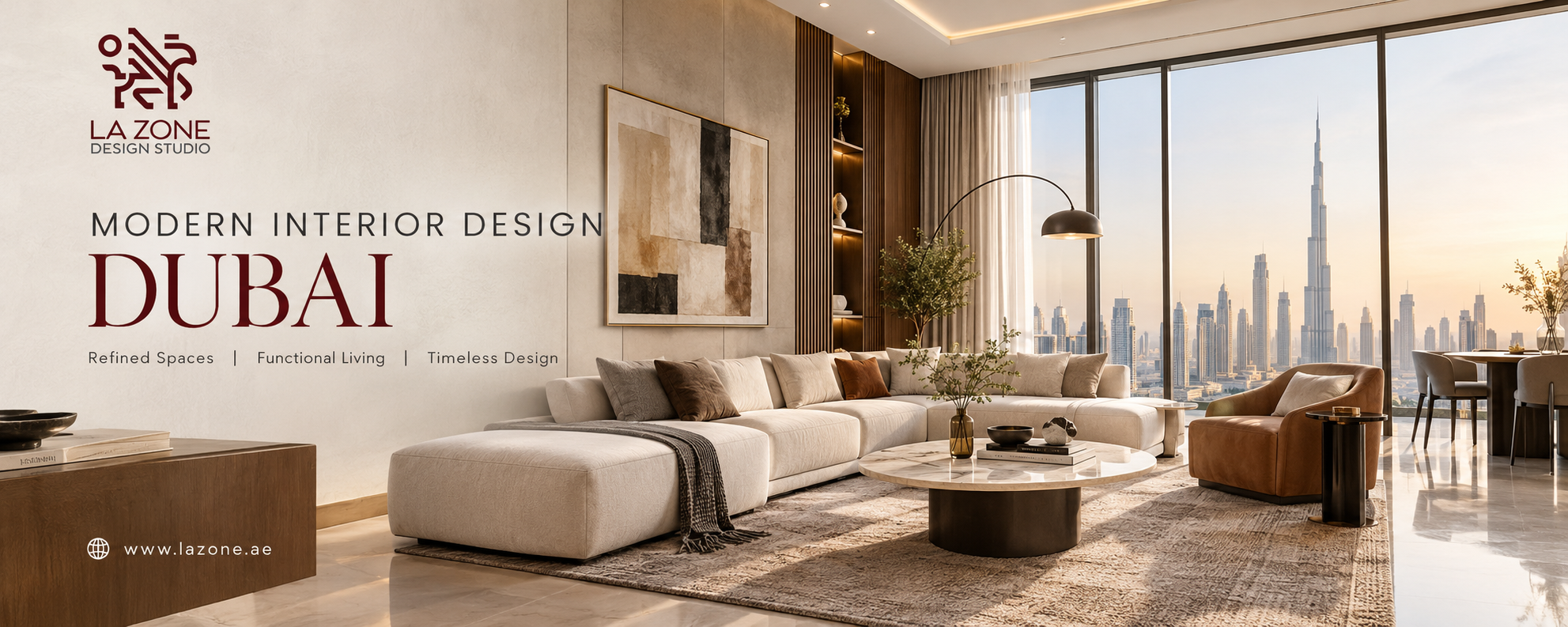
Dubai is known for its remarkable architecture, luxurious residences, contemporary commercial developments, and constantly evolving lifestyle. In this environment, interior design plays an essential role in creating spaces that reflect individual preferences while supporting comfort, functionality, and long-term value. Modern interior design Dubai has become an important choice for homeowners and businesses seeking interiors that combine contemporary aesthetics with practical planning and carefully selected materials.
Modern interior design is not simply about choosing attractive furniture, neutral colours, or expensive finishes. It is about understanding how people use a space and developing an environment where every element has a clear purpose. From the arrangement of furniture to the selection of lighting, flooring, wall finishes, and decorative details, every decision contributes to the overall experience.
For homeowners, a modern interior can make everyday living more comfortable and organised. For businesses, it can strengthen brand identity, improve customer impressions, and create a more productive environment. Achieving these results requires a thoughtful design strategy that considers both appearance and performance.
LA ZONE is a UAE-based architecture and interior design studio focused on refined spaces, precise planning, and quality-driven execution. By bringing architectural thinking and interior design together, La Zone aims to create environments that feel cohesive, purposeful, and suited to the people who use them.
Understanding Modern Interior Design in Dubai
Modern interior design focuses on simplicity, functionality, balanced proportions, and carefully coordinated materials. It removes unnecessary visual clutter while allowing important architectural and decorative elements to stand out. The objective is to create interiors that feel organised, welcoming, and visually balanced rather than overly complicated.
In Dubai, modern interiors often combine contemporary international influences with the expectations of a diverse population. A residential property may require a luxurious atmosphere, while a commercial office may prioritise productivity, privacy, and professional presentation. A retail environment may need to communicate a distinctive brand identity through its layout, lighting, and finishes.
Consequently, modern interior design Dubai should never follow a single formula. The design approach needs to reflect the property, the client’s lifestyle, the intended use of the space, and the practical requirements of the project.
The Importance of Functional Space Planning
Effective space planning is one of the foundations of modern interior design. Before selecting furniture or decorative accessories, designers need to understand how different areas connect and how people will move through them.
A well-planned living room should provide comfortable seating without obstructing movement. A bedroom should accommodate essential furniture while maintaining a calm atmosphere. An office should balance collaborative areas with spaces for focused work. In each situation, the layout determines how successfully the interior performs.
Careful planning also helps identify storage opportunities, improve circulation, and make better use of available floor space. This is particularly valuable in Dubai apartments, where efficient layouts can make compact rooms feel more spacious, and in villas, where several living zones must work together harmoniously.
Clean Lines and Balanced Proportions
Modern interiors frequently feature clean architectural lines, understated furniture, and a controlled selection of decorative elements. However, simplicity should not result in an empty or impersonal environment.
Proportion is essential. Furniture should suit the dimensions of the room, ceiling heights should influence lighting choices, and decorative features should complement the surrounding architecture. A large living area may benefit from substantial furniture and carefully positioned focal points, whereas a smaller room may require lighter forms and more open floor space.
When these elements are considered together, the result feels intentional rather than assembled from unrelated products.
Key Elements of Modern Interior Design Dubai
The strongest modern interiors are developed through the coordination of several design elements. Colour, lighting, texture, furniture, materials, and architectural detailing must support a consistent visual direction.
Contemporary Colour Palettes
Colour establishes the atmosphere of an interior. Neutral shades such as warm white, beige, taupe, soft grey, and natural cream are popular choices because they create a versatile foundation for contemporary spaces.
These colours can be complemented by deeper shades, including olive green, navy blue, charcoal, terracotta, or muted brown. Introducing colour through upholstery, artwork, feature walls, and accessories allows the interior to develop character without overwhelming the overall design.
The most effective palette depends on the amount of natural light, the room’s dimensions, the selected materials, and the client’s preferences. A colour that appears warm under daylight may look different under artificial lighting, so samples should be assessed within the actual space whenever possible.
Premium Materials and Textures
Material selection contributes significantly to the appearance, comfort, and durability of modern interiors. Natural stone, timber, porcelain, glass, metal, textured fabrics, and carefully selected decorative finishes can create depth without requiring excessive ornamentation.
The secret is balance. A stone feature wall may work beautifully with warm timber furniture, while a glass partition can introduce openness into a professional workspace. Soft fabrics can offset harder surfaces and make a contemporary room feel more inviting.
Material decisions should also account for maintenance, availability, budget, and the demands of everyday use. In Dubai, temperature, sunlight exposure, and air-conditioning conditions may influence the suitability of certain finishes and materials.
Lighting That Enhances the Space
Lighting is an essential part of modern interior design because it influences mood, visibility, and the way materials appear. A well-designed lighting scheme typically combines general illumination, task lighting, and accent lighting.
General lighting provides comfortable visibility throughout the room. Task lighting supports activities such as reading, cooking, or working. Accent lighting draws attention to artwork, architectural details, shelving, and feature surfaces.
Natural light should also be considered during the planning stage. Window treatments, furniture placement, and the use of reflective surfaces can influence how daylight travels through a space.
Rather than relying on a single bright ceiling light, layered lighting creates a more flexible and comfortable environment that can adapt to different activities throughout the day.
Modern Interior Design for Dubai Homes
Residential interiors should reflect the lifestyle, routines, and personal preferences of the people living in them. A modern home needs to look attractive while remaining comfortable, practical, and easy to maintain.
Modern Living Room Design
The living room often serves as the central gathering area of a home. Its design should support conversation, relaxation, entertainment, and everyday family activities.
A successful layout begins with selecting furniture that suits the room’s dimensions. Sofas, occasional chairs, coffee tables, and storage units should be positioned to create natural movement and comfortable interaction. A carefully selected rug can help define the seating area, while curtains and soft furnishings introduce texture.
Feature walls, contemporary lighting, and understated artwork can add visual interest without making the space feel crowded. The objective is to create a living room that feels refined but remains suitable for everyday use.
Modern Bedroom Interiors
Bedrooms benefit from a quieter design approach. Comfortable furniture, coordinated colours, appropriate lighting, and practical storage help create an environment that supports rest.
Upholstered headboards, textured bedding, timber finishes, and warm lighting can introduce softness into a contemporary bedroom. Bedside tables and wardrobes should be planned according to available space, while decorative accessories should be selected carefully to avoid unnecessary clutter.
Lighting controls are particularly useful because they allow occupants to adjust the atmosphere according to different needs. A combination of general lighting, bedside illumination, and subtle accent lighting can make the room more versatile.
Contemporary Kitchen and Dining Areas
Modern kitchens need to balance appearance with efficient daily operation. Storage, appliance placement, work surfaces, ventilation, and circulation should be considered before finalising finishes and decorative details.
Handleless cabinetry, simple cabinet profiles, stone-look surfaces, and integrated lighting can create a clean contemporary appearance. However, these features should be selected according to the household’s cooking habits and maintenance preferences.
Dining areas should feel connected to the kitchen or living space while maintaining their own identity. The size of the dining table, the distance between chairs, and the positioning of pendant lights all influence comfort and usability.
Modern Villa Interior Design
Villas offer opportunities to create distinct living zones, larger entertainment areas, private retreats, and stronger connections between indoor and outdoor spaces.
The challenge is to maintain consistency throughout the property. Entrance halls, living rooms, bedrooms, staircases, and outdoor-facing areas should share a coherent design language without looking identical.
Natural materials, carefully controlled lighting, custom furniture, and proportionate architectural features can help create a unified result. Each room should retain its own function while contributing to the overall character of the home.
Modern Interior Design for Offices and Commercial Spaces
Modern interior design is equally important in commercial environments. An office, retail store, showroom, or hospitality venue must support its operational requirements while communicating a clear identity.
Contemporary Office Interior Design
An office should provide an environment where employees can work comfortably and clients can develop confidence in the business. The design must consider team structure, workflow, meeting requirements, privacy, and available space.
Open work areas can encourage collaboration, while enclosed meeting rooms and quieter zones support focused tasks. Reception areas should communicate the company’s identity through thoughtful material selection, furniture, signage, and lighting.
Acoustic treatments, ergonomic furniture, and appropriate illumination also contribute to the working experience. A visually attractive office is more effective when its layout supports the people using it.
Retail Interior Design
Retail interiors influence how customers enter, navigate, and interact with a store. Product displays, circulation paths, lighting, and checkout positions should be organised around the customer journey.
Feature displays can highlight important products, while consistent materials and colours help communicate the brand. Durable finishes are equally important because retail environments often experience regular foot traffic and frequent cleaning.
A modern retail space should create a memorable impression without making shopping difficult. Clear organisation and intuitive movement are just as important as visual appeal.
Hospitality and Lifestyle Spaces
Restaurants, cafés, salons, and hospitality environments depend on atmosphere and user experience. Seating arrangements, lighting levels, acoustic comfort, and material choices influence how visitors perceive a space.
For these projects, the design must also support staff movement, maintenance, safety, and operational efficiency. A successful environment balances the experience of the customer with the practical needs of the business.
Why Material Selection Matters in Dubai Interiors
Material selection is particularly important when developing modern interiors in Dubai. The local climate, sunlight exposure, building conditions, and intended use of a property should influence decisions about finishes and furnishings.
For example, surfaces exposed to strong sunlight may require careful consideration of colour stability and heat exposure. Flooring in busy commercial areas should be selected for durability and ease of maintenance. Upholstery should reflect the intensity of use and the desired level of comfort.
Natural stone can create a sophisticated appearance, while engineered surfaces may offer practical alternatives depending on the application. Timber and wood-look finishes introduce warmth, whereas glass and metal can create a lighter, more contemporary impression.
There is no single material combination that works for every project. The best choices are those that align visual quality with performance, maintenance requirements, and budget.
LA ZONE approaches interior design with attention to material character, spatial planning, and detailing. This coordinated approach helps ensure that individual finishes contribute to the overall design rather than competing for attention.
How to Choose the Right Interior Design Studio in Dubai
Choosing an interior design studio is an important decision because the quality of planning influences both the design experience and the finished space.
Review Relevant Experience and Design Approach
Start by reviewing completed projects and determining whether the studio understands your type of property. Residential, commercial, retail, and hospitality projects have different requirements, so relevant experience matters.
Look beyond attractive photographs. Consider whether the layouts appear practical, the materials work together, and the design responds to the intended use of the space.
Understand the Design Process
A clear design process should establish project requirements before detailed design begins. This may include consultation, site assessment, space planning, concept development, material selection, technical documentation, and coordination during execution.
Understanding what each stage includes helps clients make informed decisions and reduces the possibility of confusion later.
Discuss Budget and Project Scope
A realistic budget should account for the complete project scope rather than only furniture and decorative finishes. Depending on the project, costs may include design services, construction work, lighting, joinery, materials, furnishings, technical requirements, and installation.
Ask for clarity about inclusions, exclusions, potential variations, and approval procedures. Transparent discussions at the beginning help establish realistic expectations.
Prioritise Communication and Quality Control
Interior design projects involve multiple decisions and often require coordination between different professionals. Clear communication helps maintain consistency and ensures that design choices are documented.
Quality control is equally important. Materials, dimensions, workmanship, and finishing details should be reviewed carefully throughout the project to help achieve the intended result.
How LA ZONE Approaches Modern Interior Design
LA ZONE is a UAE-based architecture and interior design studio that brings together spatial planning, refined materials, architectural thinking, and coordinated execution. Its approach recognises that a successful interior must work as a complete environment rather than a collection of decorative features.
Design Based on Purpose and Function
Every project begins with understanding its requirements. The intended use of the space, the client’s preferences, movement patterns, and practical constraints provide the foundation for the design direction.
This helps establish a layout that supports daily activities while creating a consistent visual identity.
Attention to Materials and Detailing
The quality of an interior is often reflected in details that may initially seem small. Junctions between materials, cabinet finishes, lighting positions, furniture proportions, and transitions between rooms all contribute to the final experience.
LA ZONE’s design approach places importance on material selection, precision, and the relationship between individual elements.
Coordinated Design and Execution
A strong concept needs to be translated accurately into the finished environment. Coordination between planning, design development, technical details, and execution helps reduce inconsistencies and preserve the original design intent.
For clients seeking modern interior design Dubai, this integrated perspective can be valuable because it connects the visual concept with practical delivery.
To explore the studio’s approach and services, visit the official website at https://lazone.ae/.
Common Mistakes to Avoid in Modern Interior Design
One common mistake is selecting furniture and finishes before understanding the layout. Even beautiful products can make a room feel uncomfortable if their dimensions or positions are unsuitable. Planning should always establish the basic arrangement before decorative decisions are finalised.
Another mistake is relying too heavily on trends. Contemporary colours, furniture styles, and finishes change over time, but the fundamental requirements of comfort and functionality remain. Choose design features that reflect personal preferences and suit the property’s architecture rather than copying every new trend.
Poor lighting planning can also weaken an otherwise attractive interior. A room may feel flat when it depends on one light source, while excessive decorative lighting can create visual distraction. A layered scheme offers greater flexibility.
Finally, overlooking storage and maintenance can reduce the practicality of a modern space. Built-in storage, accessible cleaning areas, durable surfaces, and sensible furniture arrangements should be considered during the design stage rather than added as afterthoughts.
The Long-Term Value of Modern Interior Design
Modern interior design can contribute to the long-term value of a property by improving its functionality, presentation, and overall user experience. A well-planned home may feel more comfortable and adaptable, while a thoughtfully designed commercial space can communicate professionalism and strengthen brand perception.
However, lasting value does not depend on appearance alone. Durable materials, sensible layouts, accessible maintenance, and good-quality detailing help an interior remain useful over time.
Adaptability is another important consideration. Neutral foundations, flexible furniture arrangements, and well-planned lighting can make it easier to update a space without undertaking a complete redesign.
For property owners in Dubai, this balanced approach supports interiors that remain relevant beyond short-lived design trends.
Conclusion: Creating Better Spaces with Modern Interior Design Dubai
Modern interior design Dubai is about bringing together contemporary aesthetics, practical planning, material quality, and a clear understanding of how people use their spaces. Whether designing a villa, apartment, office, retail store, or hospitality environment, the aim is to create an interior that feels cohesive, comfortable, and appropriate for its purpose.
The most successful spaces are not necessarily those with the most expensive finishes or the largest number of decorative features. They are spaces where the layout works naturally, the lighting enhances the atmosphere, the materials complement one another, and every element contributes to a unified experience.
LA ZONE combines architectural thinking and interior design to develop refined environments with an emphasis on planning, material selection, detailing, and execution. For homeowners and businesses seeking a considered approach to contemporary interiors, working with a design studio that understands both aesthetics and functionality can make an important difference.