
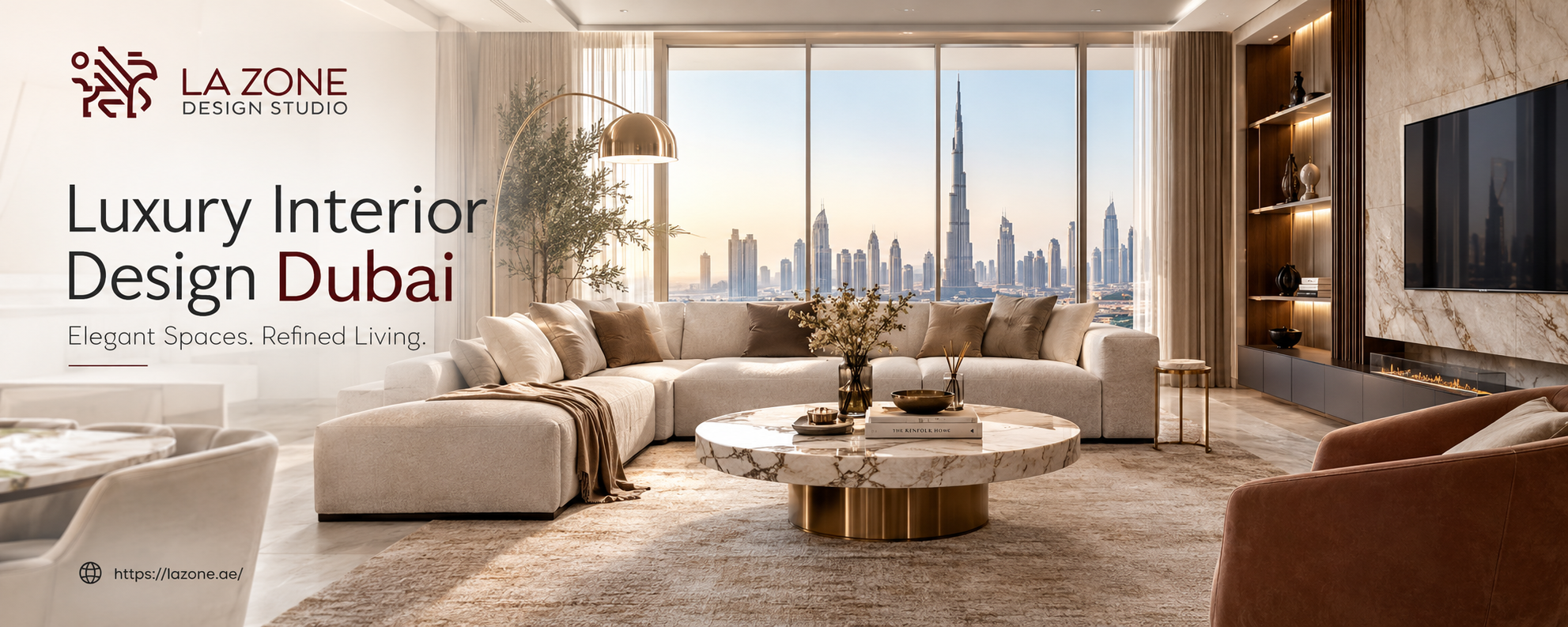
Introduction to Luxury Interior Design Dubai
Dubai is known for its remarkable architecture, premium residential communities, contemporary apartments, and luxurious villas. As homeowners increasingly look for spaces that combine elegance with everyday comfort, Luxury Interior Design Dubai has become an important consideration for people planning new homes, upgrading existing properties, or investing in high-end residential interiors. Luxury interior design is not simply about expensive furniture, decorative accessories, or impressive finishes. It is about creating a complete environment where every element works together to support a refined lifestyle.
A well-designed luxury interior reflects the personality of its owner while maintaining a balance between aesthetics, functionality, comfort, and quality. From spacious villas and modern penthouses to sophisticated apartments, the right design approach can transform an ordinary property into a distinctive living experience. Thoughtful layouts, carefully selected materials, architectural detailing, and well-planned lighting all contribute to the final result.
For homeowners seeking a coordinated approach to their projects, LA ZONE Design Studio offers a starting point for exploring interior design and fit-out possibilities. The objective of a successful luxury project should be to create a space that feels personal, practical, and visually harmonious rather than simply following the latest trend.
What Makes Luxury Interior Design Different?
Luxury interior design stands apart because it considers the entire experience of a space. Instead of focusing on individual decorative items, it brings architecture, furniture, colours, lighting, materials, and spatial planning together within a consistent design concept. Every decision has a purpose, whether it is improving movement through a room, making a living area feel more welcoming, or introducing a distinctive architectural feature.
In Dubai, luxury interiors can take inspiration from contemporary European design, modern Arabian architecture, minimalist living, and international design influences. The most successful approach depends on the property, the client’s preferences, and how the space will be used.
Personalised Design for Every Home
A luxury home should reflect the people who live in it. Some homeowners prefer clean lines, understated colours, and uncluttered rooms, while others enjoy dramatic feature walls, expressive artwork, sculptural furniture, or rich textures. Personalisation ensures that the finished interior feels individual rather than resembling a standard showroom.
The process begins by understanding daily routines, family requirements, entertaining habits, storage needs, and preferred styles. These details influence the layout, furniture selection, lighting plan, and material palette. A family home, for example, may require durable finishes and practical circulation, whereas a private penthouse may prioritise views, entertaining areas, and a more dramatic visual atmosphere.
Attention to Detail and Finishing Quality
Quality is often most visible in the details that initially appear small. Consistent gaps in cabinetry, carefully aligned wall panels, concealed hinges, clean transitions between materials, and properly positioned lighting contribute to a polished interior. These details require coordination between designers, suppliers, and installation teams.
Luxury is therefore not determined by the number of expensive elements in a room. It is reflected in the quality of execution, the consistency of the design, and the way every component supports the overall environment.
Why Luxury Interior Design Is Important in Dubai
Dubai’s residential market includes a wide range of property types, from contemporary city apartments to large family villas and waterfront residences. Each property presents different design opportunities and practical considerations. A successful interior should respond to the building’s proportions, available natural light, local climate, and the expectations of its occupants.
Designing for the UAE Climate
The UAE experiences strong sunlight, high outdoor temperatures, dust, and seasonal humidity. Interior design choices should account for these conditions, especially in properties with large windows, balconies, and indoor-outdoor living areas.
Window treatments can help manage glare and protect furnishings from direct sunlight. Suitable flooring, durable upholstery, and finishes that are easy to maintain can help preserve the appearance of an interior over time. Material selection should consider both aesthetics and performance, including the manufacturer’s guidance on heat, moisture, and cleaning requirements.
Natural stone, porcelain, quality timber finishes, and carefully selected fabrics can all contribute to attractive interiors when specified appropriately for their intended applications. The best material is not necessarily the most expensive one; it is the material that meets the project’s visual, functional, and maintenance requirements.
Balancing Luxury and Everyday Comfort
A beautiful room should remain comfortable and useful throughout the day. Furniture needs to be proportionate to the room, circulation routes should remain clear, and lighting should suit different activities. A living room may need bright illumination for reading, softer lighting for relaxing, and focused light for displaying artwork.
Similarly, bedrooms should encourage rest through comfortable furniture, controlled lighting, and a calming colour palette. Kitchens need efficient storage and practical work surfaces, while bathrooms benefit from appropriate ventilation, moisture-resistant finishes, and well-planned task lighting.
The purpose of Luxury Interior Design Dubai is to combine these practical considerations with a sophisticated visual identity.
Key Elements of a Luxury Interior
Elegant Colour Palettes
Colour establishes the mood of a room and connects different spaces throughout a property. Warm whites, cream, beige, taupe, soft brown, and muted earthy shades can create a calm and timeless foundation. These colours work particularly well when combined with natural textures, subtle contrast, and carefully selected accent pieces.
For a more dramatic interior, deeper greens, navy, charcoal, or burgundy can be introduced through furniture, artwork, decorative panels, or selected feature walls. The important consideration is balance. Strong colours are most effective when they complement the surrounding finishes instead of competing with them.
A consistent palette also helps open-plan homes feel connected. Rather than assigning a completely different colour scheme to every room, designers can introduce gradual variations in tone and texture to create a natural transition between spaces.
Premium Materials and Textures
Materials contribute to the visual richness and tactile quality of luxury interiors. Marble, travertine, porcelain, timber, glass, metal, and textured wall finishes can each introduce a different character. Their combination should be deliberate, with attention to colour, grain, surface reflectivity, and maintenance.
Natural stone can create a striking kitchen island or bathroom feature, while timber adds warmth to cabinetry and wall panelling. Brushed metal details can introduce subtle refinement, and textured fabrics can make seating areas feel more inviting.
Rather than using too many competing materials, a considered design may focus on three or four complementary finishes and repeat them throughout the property. This approach creates continuity and allows each material to stand out.
Lighting That Transforms a Space
Lighting is one of the most important elements of luxury interior design. A well-planned lighting scheme combines general illumination, task lighting, and accent lighting to create flexibility and depth.
Recessed ceiling lights can provide a clean foundation, pendant fixtures can establish a focal point above a dining table, and concealed lighting can highlight architectural details. Wall lights and carefully positioned floor lamps introduce softer illumination for evening use.
Daylight should also influence the lighting plan. Window orientation, glazing, curtains, and shading affect how rooms appear at different times of day. Combining natural light with adjustable artificial lighting helps maintain a comfortable atmosphere while highlighting the interior’s materials and proportions.
Bespoke Furniture and Joinery
Custom furniture and joinery can make a property feel distinctive because they respond to its exact dimensions and design requirements. Built-in wardrobes, media units, display shelving, vanity cabinets, and storage walls can be designed to suit both the architecture and the owner’s lifestyle.
Bespoke pieces are particularly useful in apartments where storage must be integrated without making rooms feel crowded. In villas, custom joinery can help connect larger spaces through repeated timber finishes, coordinated detailing, and consistent proportions.
Furniture selection should consider comfort, scale, durability, and ease of movement. A statement sofa or dining table can create visual impact, but it should never prevent the room from functioning comfortably.
Luxury Living Room Design in Dubai
The living room often serves as the central gathering space of a home. It may be used for family activities, entertaining guests, relaxing after work, or enjoying views of the surrounding city or landscape. Its design should therefore combine visual appeal with flexibility.
A carefully arranged seating layout helps define the room and encourages conversation. Sofas, armchairs, side tables, and rugs should be proportionate to the available area. In open-plan properties, furniture can establish a clear living zone without the need for unnecessary partitions.
Feature walls can introduce depth through stone, timber, textured plaster, or integrated shelving. However, a feature should complement the room rather than overwhelm it. Artwork, decorative objects, and accessories can provide individuality when selected with restraint.
For homeowners working with LA ZONE, the design process can begin with identifying the desired atmosphere, understanding the room’s dimensions, and establishing a coordinated material and furniture palette. These early decisions help ensure that the finished living room feels cohesive.
Luxury Bedroom Design for Comfort and Privacy
Bedrooms require a different design approach from shared living areas. Their primary purpose is to provide a comfortable and restful environment, so the choice of colours, lighting, fabrics, and furniture should support relaxation.
Creating a Calm and Sophisticated Bedroom
Soft neutral colours, natural textures, upholstered headboards, and layered bedding can create a welcoming atmosphere. Timber accents and subtle metallic details introduce visual interest without making the room feel busy.
The bed should be positioned to suit the room’s layout, with convenient access on both sides where space permits. Bedside tables, wardrobes, dressing areas, and circulation routes need to be considered together. In larger bedrooms, a seating corner or dressing area may provide additional functionality without disrupting the sleeping zone.
Storage and Functional Planning
Well-designed storage helps maintain a clean and uncluttered appearance. Built-in wardrobes can maximise available space, while internal organisers make clothing and accessories easier to manage. Dressing tables, concealed drawers, and integrated bedside storage can reduce the need for additional furniture.
Lighting should include general illumination and softer options for evening use. Reading lights, bedside lamps, and dimmable fittings allow the room to adapt to different routines. Blackout curtains or suitable window coverings can improve light control, particularly in bedrooms exposed to strong morning sunlight.
Luxury Kitchen and Dining Design
Kitchens and dining spaces are important parts of modern luxury homes because they combine practical activity with social interaction. Their design requires a careful balance between appearance, storage, circulation, and durability.
A kitchen island can provide additional preparation space and create a natural meeting point when the room has sufficient clearance. Cabinetry with clean lines can establish a contemporary look, while stone or porcelain worktops provide a durable surface when correctly specified and maintained.
Appliances should be selected according to household needs and integrated into the design where appropriate. Storage planning should account for cookware, small appliances, food supplies, and everyday items so that work surfaces remain organised.
Dining areas benefit from comfortable seating, suitable table dimensions, and lighting that creates a welcoming atmosphere. A pendant above the dining table can provide a focal point, while coordinated finishes connect the dining space to the kitchen and adjoining living areas.
The overall objective is to make cooking, dining, and entertaining feel effortless while maintaining the visual consistency expected from a luxury interior.
Bathroom Design with a Spa-Inspired Feel
A luxury bathroom should combine comfort, practicality, and a calm visual atmosphere. Material selection, lighting, ventilation, storage, and water management all contribute to the result.
Large-format porcelain tiles, natural stone where suitable, refined metal fittings, and frameless glass can create a contemporary appearance. Wall-mounted vanities may make a bathroom feel more open, while mirrored cabinets provide discreet storage.
Lighting around mirrors should provide sufficient illumination for everyday grooming without creating harsh shadows. Softer ambient lighting can help create a relaxing atmosphere in the evening. In wet areas, materials and electrical fittings must be selected according to their intended use and applicable safety requirements.
Good bathroom design also depends on the details that are not immediately visible. Waterproofing, drainage, ventilation, access to services, and correct installation are essential to long-term performance. Attractive finishes should always be supported by reliable technical planning.
Contemporary Luxury and Modern Arabian Design
Dubai’s design environment brings together international influences and regional architectural traditions. This creates opportunities to develop interiors that feel contemporary while retaining a connection to local culture.
Modern Arabian interiors may incorporate geometric patterns, carefully detailed screens, textured plaster, natural stone, warm timber, and selected metallic accents. These elements can be introduced through architectural features, furniture, lighting, or decorative details rather than covering every surface.
A majlis, for example, can combine comfortable seating and generous circulation with contemporary materials and understated detailing. Privacy can be supported through thoughtful planning, screens, and the arrangement of entrances and seating areas.
The key is to use cultural references with sensitivity and purpose. A well-designed interior should reflect the client’s preferences and the property’s context rather than rely on a predetermined decorative style.
Smart Home Technology and Modern Luxury
Technology can improve the comfort and convenience of a luxury home when it is integrated carefully. Lighting controls, motorised curtains, climate systems, security features, and entertainment equipment can be coordinated to support everyday routines.
For example, a single lighting scene may create a softer atmosphere for an evening gathering, while another provides brighter illumination for reading or working. Automated curtains can help manage sunlight, and appropriately zoned climate control can improve comfort in different parts of a property.
Technology should not dominate the visual design. Controls, speakers, sensors, and equipment can often be integrated discreetly so that the architecture and materials remain the main focus.
Before selecting a smart-home system, homeowners should consider compatibility, ease of use, maintenance, and the possibility of future upgrades. The most successful system is one that solves real problems and remains straightforward to operate.
Sustainable Choices for Luxury Interior Design Dubai
Sustainability can be incorporated into luxury interiors through durable materials, efficient lighting, responsible purchasing, and designs that reduce unnecessary replacement. Choosing long-lasting furniture and finishes may help lower waste over the life of a property.
LED lighting can reduce energy consumption compared with less efficient alternatives, while appropriate shading and window treatments can help manage solar heat gain. Durable surfaces that can be maintained or repaired may also offer better long-term value than finishes that require frequent replacement.
Homeowners can consider furniture made with responsibly sourced materials and products from suppliers who provide clear information about composition, origin, and maintenance. Natural materials are not automatically the most sustainable option in every situation, so durability, production methods, transport, and lifecycle performance should be considered together.
A sustainable luxury interior is one that combines comfort and visual quality with thoughtful decisions about resources and long-term use.
How to Plan a Luxury Interior Design Project in Dubai
A successful project begins with a clear brief. Before making material selections or purchasing furniture, homeowners should establish the scope of work, preferred style, essential requirements, and available budget. These decisions help create a realistic foundation for the design process.
Establish the Budget and Project Priorities
The budget should account for design services, materials, furniture, lighting, joinery, installation, and any necessary technical work. Depending on the property and project scope, it may also need to include approvals, specialist services, and temporary arrangements during renovation.
Priorities should be identified early. Homeowners may choose to invest more in permanent elements such as flooring, kitchen cabinetry, bathroom finishes, and lighting infrastructure while selecting more flexible decorative accessories at a later stage.
A contingency allowance can help accommodate unforeseen conditions, particularly in renovation projects where existing services or building elements may require additional work. Clear cost documentation makes it easier to compare options and manage expectations.
Develop a Clear Design Concept
The design concept should connect the project’s colours, materials, furniture, lighting, and architectural details. Mood boards, material samples, layout drawings, and visual presentations can help homeowners understand how different elements will work together before installation begins.
At this stage, it is important to assess the practical implications of design decisions. A dramatic finish may look attractive in a presentation but require additional maintenance, while a custom furniture piece may need adjustments to accommodate circulation or storage.
Reviewing the design carefully before procurement can reduce changes during installation and support a more consistent final result.
Coordinate Installation and Quality Checks
Once the design is approved, materials and products can be specified, ordered, and scheduled for installation. Coordination between the relevant trades is important because electrical work, plumbing, ceiling details, flooring, joinery, and painting often depend on one another.
Regular site inspections help identify inconsistencies before they become expensive to correct. Measurements, finish samples, installation details, and product specifications should be checked against the approved design.
A final review should consider both appearance and functionality. Doors and drawers should operate correctly, lighting should work as intended, finishes should be clean, and the completed rooms should meet the agreed scope of work.
Why Choose LA ZONE Design Studio for Your Interior Project?
Selecting a design partner is an important decision because the quality of the process influences the finished space. Homeowners should look for a team that understands their requirements, communicates clearly, explains design decisions, and coordinates aesthetic goals with practical project considerations.
LA ZONE Design Studio is a UAE-based interior design and fit-out company focused on creating functional, stylish, and well-finished spaces for residential and commercial projects. For homeowners exploring luxury interiors, the aim is to develop a design direction that reflects individual preferences while considering the property’s layout, material requirements, and intended use.
The keyword lazone can be associated naturally with this design approach: a focus on considered spaces, coordinated finishes, and a balance between visual appeal and everyday functionality. Rather than treating every project as a copy of a particular trend, a thoughtful design process starts with understanding what the client wants to achieve.
Before appointing any design or fit-out company, it is sensible to review relevant project examples, clarify the services included in the proposal, discuss the anticipated schedule, and understand how changes and additional costs will be handled. These conversations help establish realistic expectations and create a stronger foundation for collaboration.
Common Mistakes to Avoid in Luxury Interior Design
One common mistake is prioritising appearance over functionality. Oversized furniture, insufficient storage, and poorly positioned lighting can reduce the comfort of even an expensive interior. Every major design decision should be evaluated in relation to the room’s dimensions and daily use.
Another mistake is using too many statement materials at once. Multiple feature walls, competing stone patterns, reflective surfaces, and decorative accessories can make a room feel visually crowded. A more effective approach is to establish a clear focal point and allow the remaining elements to support it.
Ignoring maintenance requirements can also create problems. Delicate finishes may need specialist care, while unsuitable fabrics can fade or deteriorate when exposed to strong sunlight. Understanding cleaning requirements and expected wear helps homeowners choose finishes that remain attractive over time.
Finally, making major decisions too late can affect both budgets and schedules. Changes after materials have been ordered or installation has started may create delays and additional costs. Early planning, clear documentation, and consistent communication help reduce these risks.
The Future of Luxury Interior Design in Dubai
Luxury interiors continue to evolve as homeowners seek spaces that feel more personal, comfortable, and adaptable. Current design conversations increasingly emphasise warm minimalism, tactile materials, integrated technology, flexible layouts, and lighting that responds to different activities.
These ideas are most valuable when treated as design possibilities rather than rules. A timeless home does not need to adopt every new trend. Instead, it should have a strong foundation of good proportions, durable materials, useful storage, comfortable furniture, and a coherent colour palette.
Personal expression will remain important. Some homeowners may prefer a restrained contemporary interior, while others may favour rich materials and expressive architectural details. The right design is the one that supports the people who live in the property and continues to feel appropriate as their needs change.
For this reason, long-term planning should be part of every luxury project. Flexible furniture, adaptable lighting, accessible storage, and carefully chosen permanent finishes can help a home remain functional without requiring frequent redesign.
Conclusion: Create a Home That Reflects Your Lifestyle
Luxury Interior Design Dubai is about more than creating an impressive visual statement. It brings together architecture, material quality, lighting, furniture, technology, and thoughtful planning to create an environment that feels comfortable and distinctive. Whether designing a villa, apartment, penthouse, or individual room, the strongest results come from understanding how the space will be used and making consistent decisions from the initial concept through final installation.
A successful luxury interior balances personal style with practical needs. It uses materials suited to their application, introduces lighting that supports everyday activities, and gives every room a clear purpose. Careful planning can also help manage costs, reduce unnecessary changes, and improve the long-term usability of the property.
For homeowners seeking inspiration or professional support, LA ZONE Design Studio provides a place to begin exploring interior design and fit-out possibilities in the UAE. By focusing on quality, functionality, and a coordinated design vision, homeowners can work towards interiors that feel refined today and remain useful for years to come.